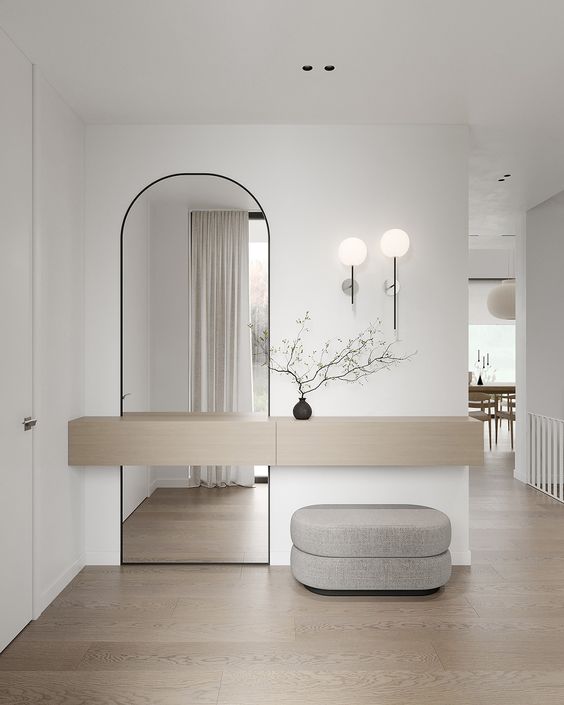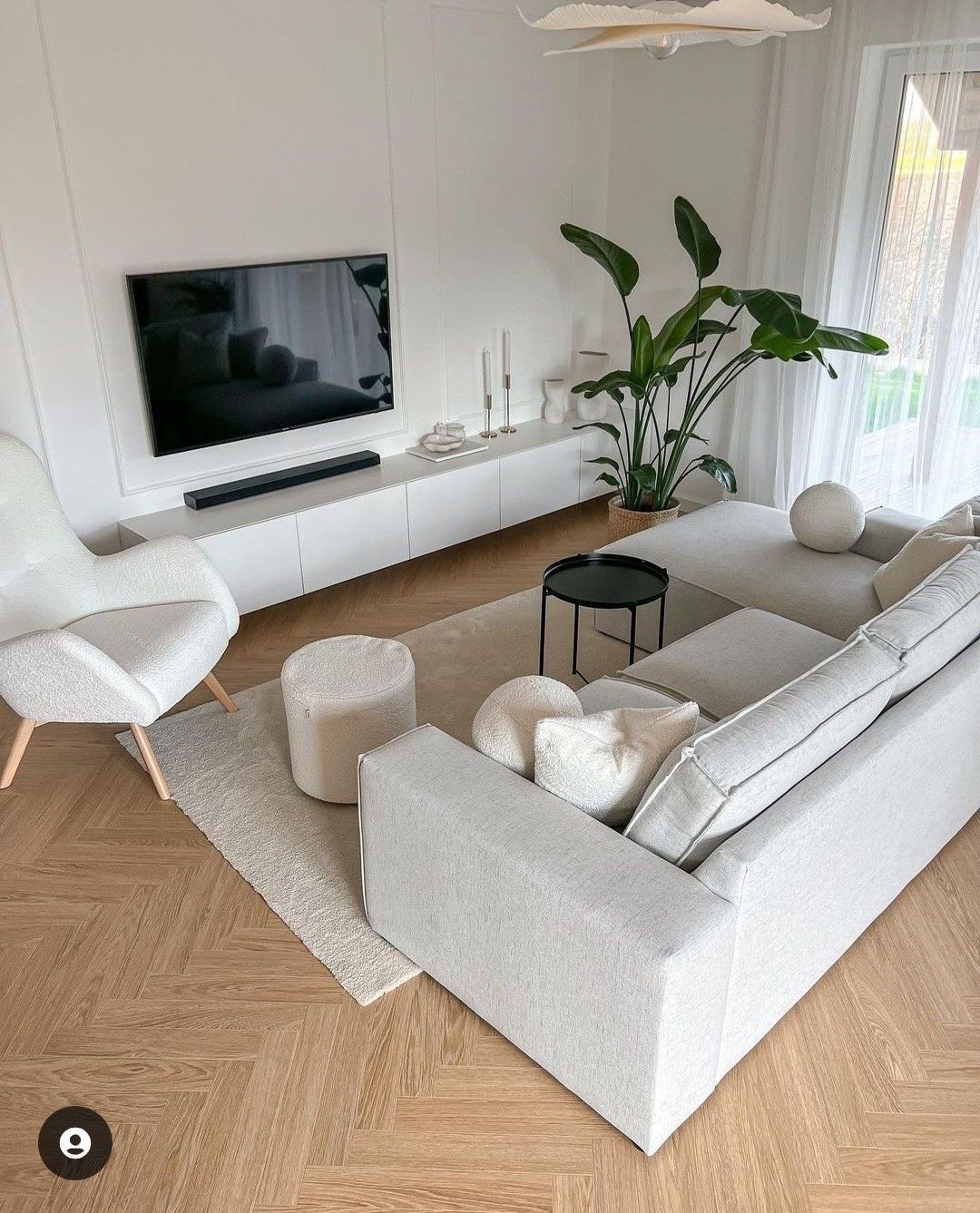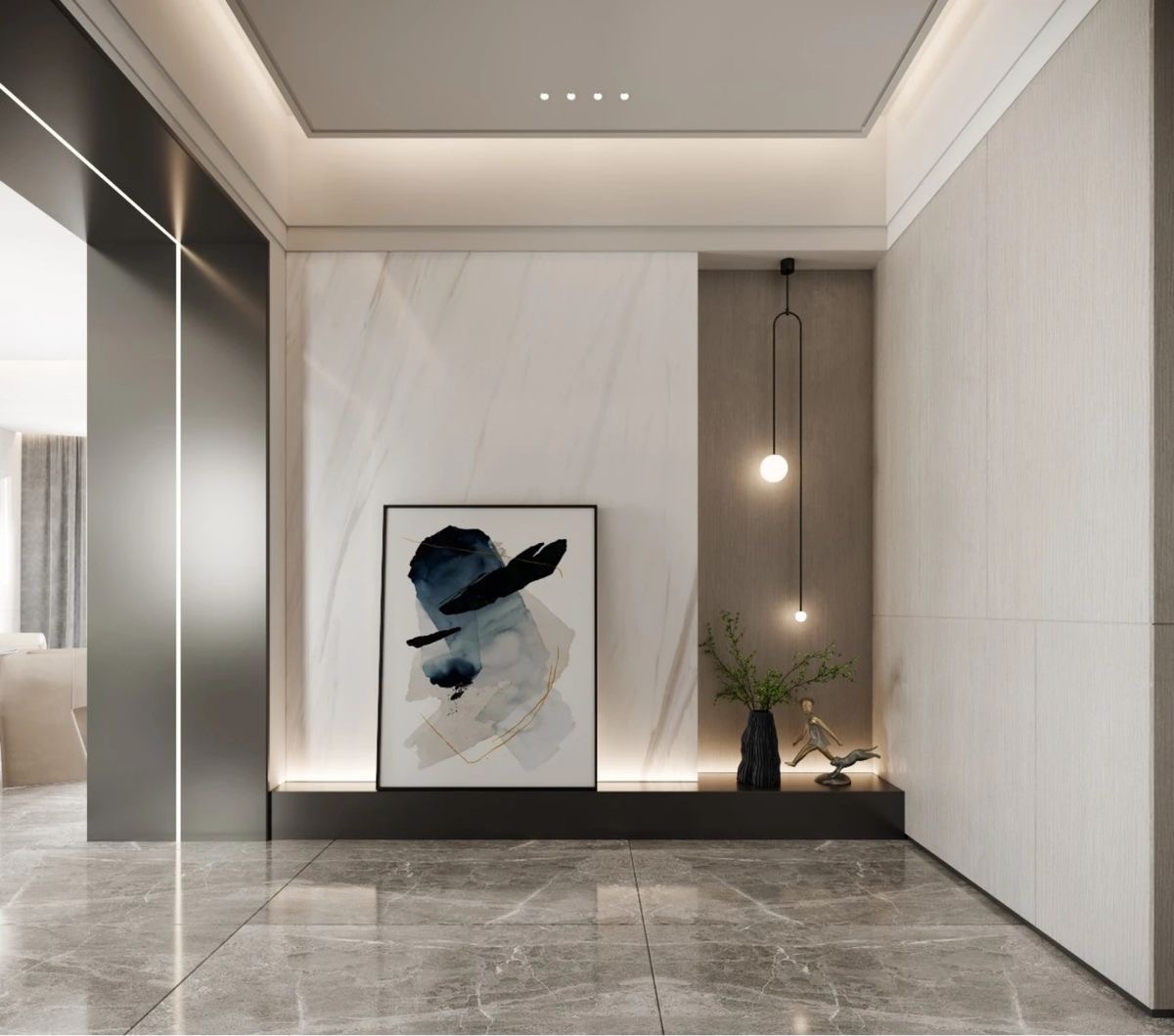

When it comes to interior design and construction, materials like artificial marble and artificial wood have been gaining immense popularity. These alternatives to natural stone and wood offer a range of advantages, yet they’re not without their downsides. In this article, we’ll explore the world of artificial marble and wood, examining their uses, advantages, disadvantages, and providing guidance on when and how to use them in your projects.
The Allure of Artificial Marble
*Artificial Marble Explained:* Artificial marble, also known as engineered or cultured marble, is a man-made surface crafted from a blend of natural stone and resins. It mimics the look of genuine marble but is more affordable and versatile.
Advantages:
1. Aesthetic Appeal : Artificial marble replicates the elegance of real marble, with a wide array of colors and patterns available. It’s an excellent choice for achieving a luxurious look in interior design.
2. Affordability : Compared to natural marble, artificial marble is budget-friendly, making it accessible to a broader range of homeowners and designers.
3. Durability : It is less porous than natural stone, making it resistant to stains and easier to maintain.
Disadvantages:
1. Susceptibility to Scratching : Artificial marble is prone to scratching, so care must be taken to avoid damage.
2. Lack of Natural Beauty : While it replicates the look, it may lack the uniqueness and natural beauty of genuine marble.
Advice for Using Artificial Marble:
– Use artificial marble in areas where its affordability and aesthetic appeal can shine, such as bathroom vanities and kitchen countertops.
– Be cautious with heavy objects to prevent scratching.
– Ensure proper installation and maintenance to prolong its lifespan.
The Versatility of Artificial Wood
Artificial wood is created using a combination of real wood fibers, resins, and additives. It offers the warmth and charm of wood but with added benefits.
Advantages:
1. Eco-Friendly : Artificial wood is often sourced from sustainable materials, making it an environmentally responsible choice.
2. Customization : It’s available in various finishes, colors, and textures, providing more design flexibility compared to natural wood.
3. Resistance to Moisture and Insects : Artificial wood is highly durable and resistant to moisture, termites, and rot.
Disadvantages:
1. Cost : High-quality artificial wood can be pricey, comparable to or even more expensive than natural wood.
2. Limited Authenticity : While it replicates the appearance, it may lack the genuine character of real wood.
Advice for Using Artificial Wood:
– Consider artificial wood for outdoor decking, where it excels in durability and resistance to the elements.
– Invest in premium, high-quality artificial wood for longevity.
– Regularly clean and maintain to retain its beauty and strength.
In Conclusion , Artificial marble and wood offer a wealth of advantages in interior design and construction. They allow you to achieve the aesthetics you desire without breaking the bank. However, they also come with their own set of considerations. Understanding their strengths and weaknesses and using them wisely can result in stunning, durable, and cost-effective design solutions. So, whether you opt for the timeless appeal of artificial marble or the versatility of artificial wood, you can make informed choices that transform your space into a work of art.